
The temperature alarm is going off, or someone has noticed the cold room is warm. Stay calm: there’s a lot you can check in ten minutes, and quick action protects your stock.
Safety first: don’t open electrical panels, handle refrigerant or work on live equipment. These checks are visual and safe for kitchen staff.
Step 1: Check the obvious (2 minutes)
- Is the door fully closed? Check that the gasket seals all the way round and nothing is blocking the door.
- Is there power? Is the controller display on? Check whether a breaker has tripped. If it trips again immediately, leave it off and call a technician.
- Check the set point. Has someone changed the thermostat or controller setting?
Step 2: Look at the evaporator (3 minutes)
- Is the fan inside the room running?
- Is the coil covered in thick ice? If so, the system may be stuck or failing to defrost, and airflow is blocked.
- Are stacked boxes blocking the airflow in front of the evaporator?
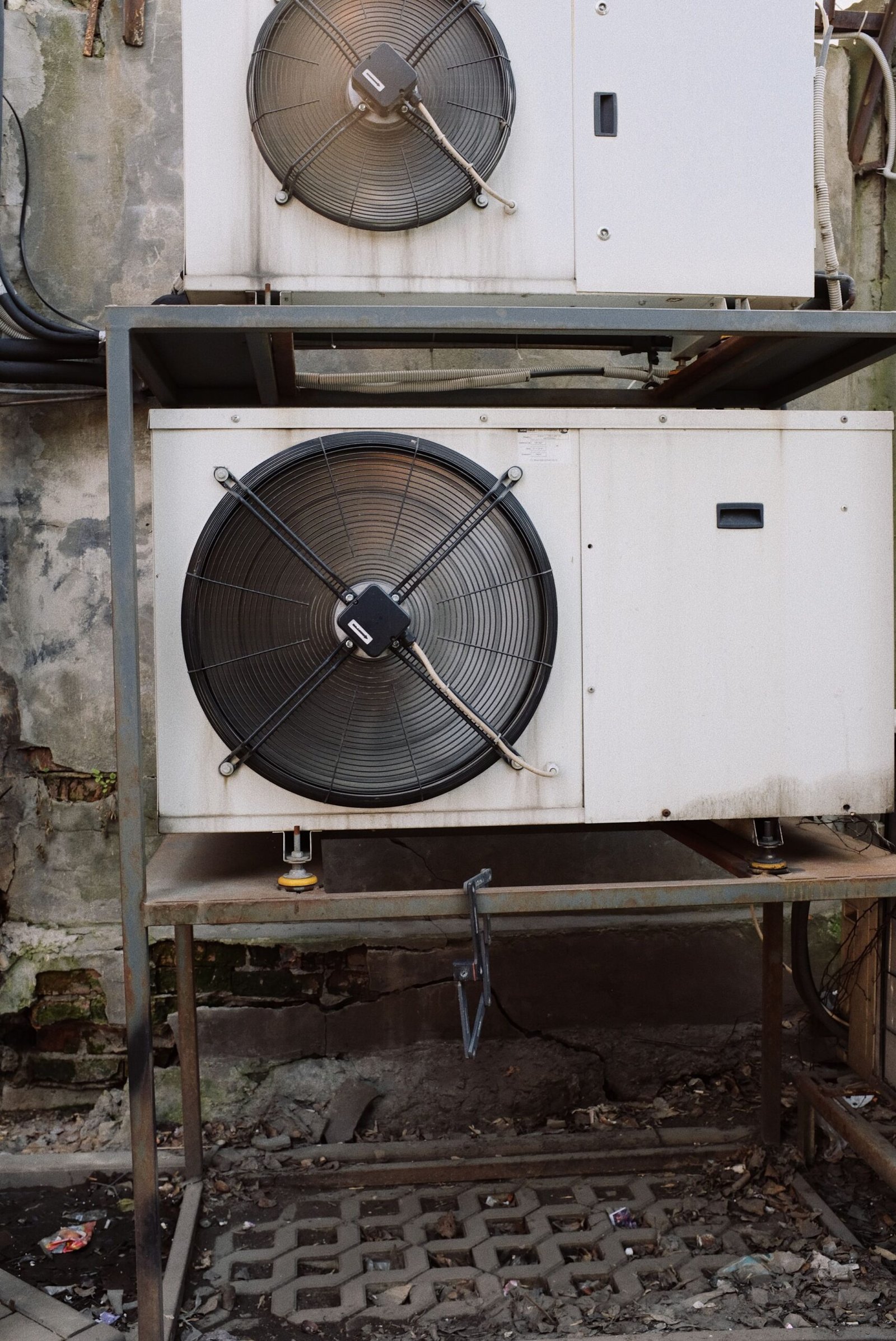
Step 3: Look at the condensing unit outside (3 minutes)
- Is the fan spinning?
- Is the coil blocked by dust, grease, cardboard or plastic?
- Is the unit enclosed or surrounded by hot air? Clear any obstructions around it.
Step 4: Protect your stock (2 minutes)
- Keep the door closed. A closed, well-insulated room holds its temperature for some time.
- Move the most sensitive products (seafood, dairy, meat) to other working units if you can.
- Record temperatures and times. You’ll need them for food safety decisions and any insurance claim.
- If food has been above safe temperatures for too long, follow your food safety procedures and your local authority’s guidance. When in doubt, throw it out.
Breakdown right now?
Call or WhatsApp our 24/7 line on +971 50 758 2216. Tell us the equipment, what you’ve checked and the current temperature.
Get a free quote → WhatsApp usWhen to call a technician immediately
- The breaker trips again after resetting
- The compressor is silent, humming, or clicking on and off
- There’s an oily residue on pipes (a possible refrigerant leak)
- Heavy ice keeps returning on the evaporator
- Nothing above explains the problem
Preventing the next breakdown
Most emergency call-outs we attend could have been avoided with regular servicing: clean coils, working defrost, good door seals and a temperature alarm that alerts you early. Our maintenance checklist shows what to check, and a maintenance contract means we take care of it for you.