24/7 breakdown line+971 50 758 2216· Ajman · UAE & GCC

Category: Cold Storage

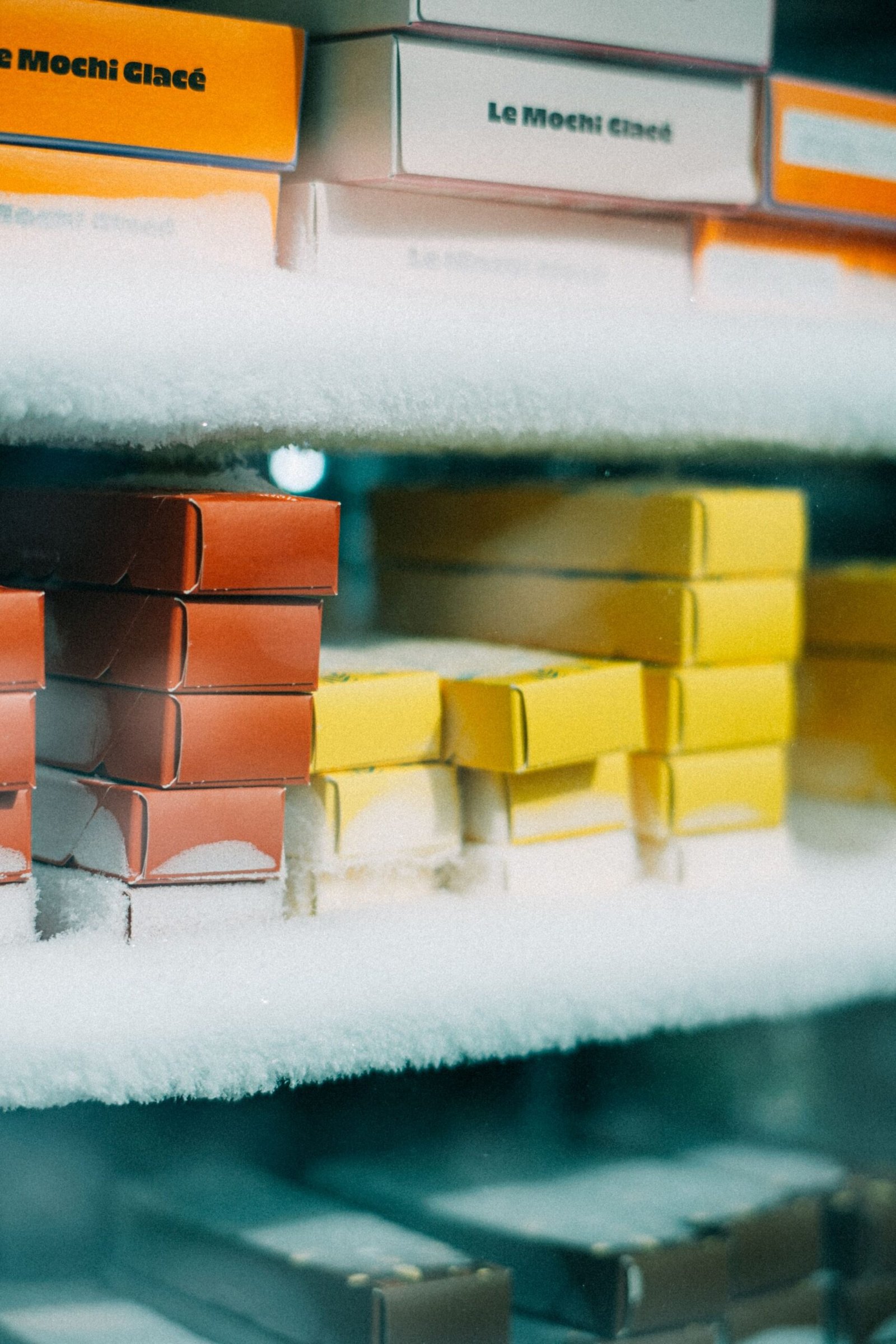
  • Walk-In Chiller vs Walk-In Freezer: Which Does Your Business Need?

    Walk-In Chiller vs Walk-In Freezer: Which Does Your Business Need?

    If you’re planning cold storage for a restaurant, hotel, catering operation or food business, the first question is simple: do you need a chiller, a freezer, or both?

    The quick comparison

    Walk-in chillerWalk-in freezer
    Typical temperature0°C to 5°C-18°C or colder
    Typical productsProduce, dairy, fresh meat and fish, prepared food, drinksFrozen meat, seafood, ice cream, frozen ingredients, long-term stock
    Panel thickness (typical)75–100 mm100–150 mm
    Insulated floorOften not requiredRequired
    Defrost systemSimple off-cycle defrostElectric or hot-gas defrost
    Running costLowerHigher

    When a chiller is enough

    Most restaurants turn over fresh stock every few days. If your menu is built on fresh ingredients and deliveries are frequent, a walk-in chiller, backed by a reach-in freezer for the few frozen items, is often the most cost-effective setup.

    When you need a freezer

    • You buy frozen stock in bulk to control costs
    • You’re a caterer, central kitchen or distributor holding stock for weeks
    • You store ice cream, frozen desserts or seafood
    • Your reach-in freezers are constantly full

    The combined option

    A combined chiller-freezer room shares one structure, with the freezer usually entered through the chiller. The chiller acts as a buffer, so less warm air reaches the freezer when doors open, and you save space and panel cost compared with two separate rooms. Each section has its own refrigeration system.

    Not sure which setup fits?

    Tell us your menu, volumes and space. We’ll recommend the most efficient layout and quote it.

    Get a free quote →

    Running costs in a hot climate

    Freezers cost more to run because the temperature difference to UAE ambient air is far greater. You can keep costs down with good panel thickness, strip curtains, door closers, high-ambient condensing units in a shaded, ventilated location, and regular maintenance.

    Our recommendation

    Size for the stock you actually hold, not the stock you might hold. Oversized rooms waste energy; undersized rooms struggle and fail. A site survey and cooling load calculation take the guesswork out. Read our cold room installation guide for the full picture.
  • Cold Room Installation Guide for the UAE: What Food Businesses Need to Know

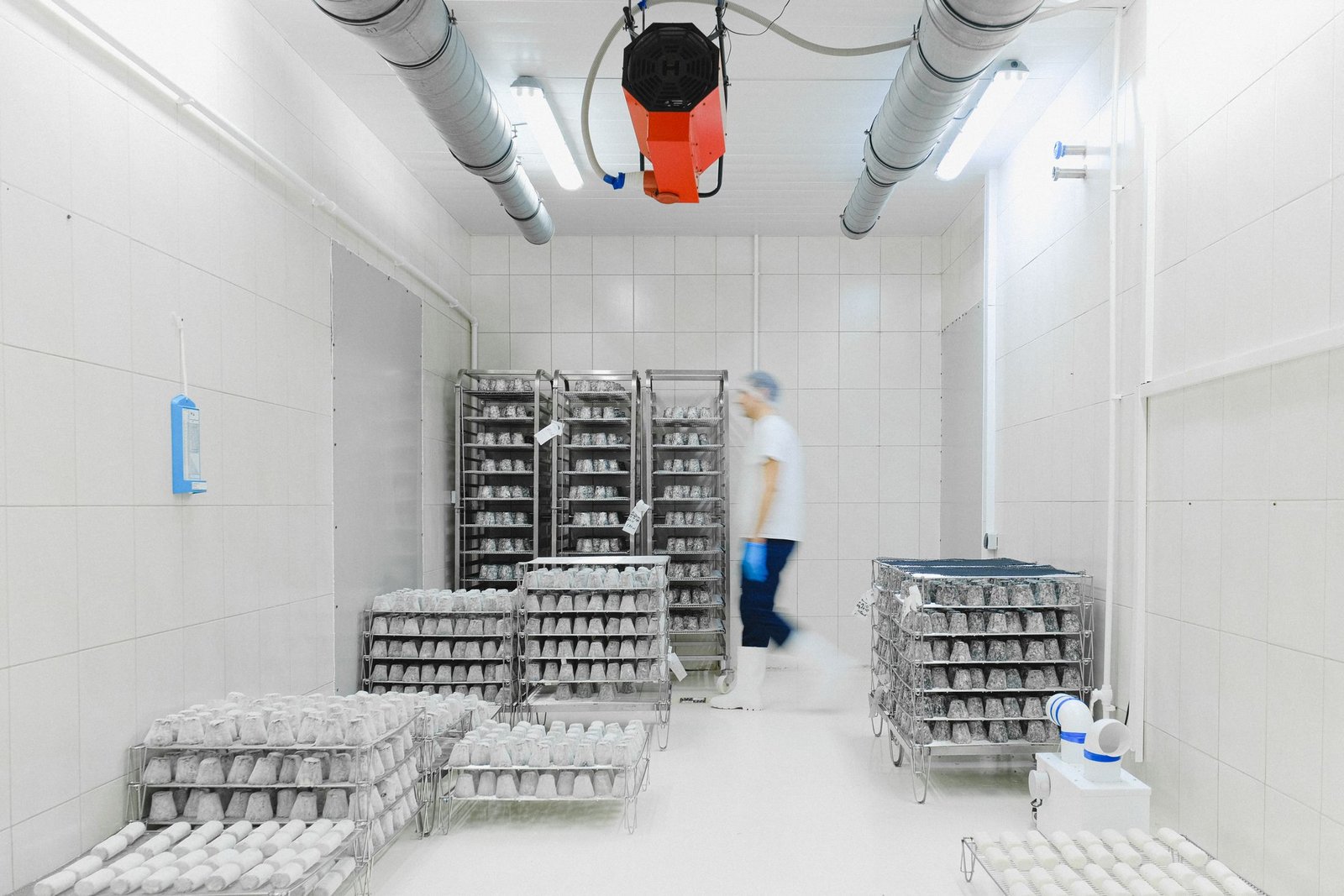
    Cold Room Installation Guide for the UAE: What Food Businesses Need to Know

    A walk-in cold room is one of the biggest equipment decisions a restaurant, hotel kitchen, caterer or food distributor makes. Get it right and it quietly protects your stock for fifteen years. Get it wrong and you’ll be fighting high power bills, iced-up evaporators and spoiled stock every summer.

    After more than 15 years of building cold rooms across the UAE, these are the decisions that matter most.

    1. Start with what you store, not the size of the space

    The right cold room starts with the product. Before anyone talks about dimensions, work out:

    • What you’re storing: fresh produce, dairy, meat, seafood, frozen goods or a mix.
    • Target temperature: chilled storage typically runs between 0°C and 5°C; frozen storage at -18°C or colder.
    • Daily throughput: how much warm product goes in each day, and how often the door opens.
    • Peak load: deliveries, events, Ramadan and holiday peaks.

    A cold room that receives a large delivery of room-temperature stock every morning needs far more refrigeration capacity than one the same size that only holds stock.

    2. Design for UAE ambient temperatures

    This is where many cold rooms fail. Refrigeration equipment rejects heat outdoors, and in the UAE summer the condensing unit may be working in 45–50°C air, often on a hot roof or in an enclosed service yard.

    • Choose condensing units rated for high-ambient operation.
    • Place them where they get airflow and shade, never in a closed room where hot air recirculates.
    • Size the system with a safety margin for the hottest weeks, not the average day.

    3. Panels, floors and doors

    Cold rooms are built from insulated sandwich panels, usually polyurethane (PU) or PIR foam between steel skins. Thicker panels mean less heat getting in:

    • Chillers commonly use around 75–100 mm panels.
    • Freezers commonly use 100–150 mm panels, plus an insulated floor.

    Freezer floors need special attention: without proper floor insulation (and, for larger freezers, under-floor heating) the ground beneath can freeze and heave over time. Doors should have heated frames on freezers, good gaskets and strip curtains to limit warm air ingress during busy service.

    Planning a cold room?

    Send us your space, what you need to store and your daily volumes. We’ll recommend the right size, panels and refrigeration, with a clear price.

    Get a free quote →

    4. Refrigeration system choices

    Most small and medium cold rooms use a split system: an evaporator inside the room and a condensing unit outside. Larger facilities may use multiple systems or a central plant for redundancy, so a single failure doesn’t take the whole room down. For critical stock, two smaller systems are often safer than one large one.

    5. Don’t skip monitoring and alarms

    A temperature alarm costs very little compared with a room full of spoiled product. At minimum, fit a digital controller with a high-temperature alarm. Ideally, add remote monitoring that alerts your phone if temperatures drift overnight.

    6. Approvals and food safety

    Food businesses in the UAE are inspected by their emirate’s food safety authority, and cold storage temperatures, cleanliness and temperature records are part of that. Requirements differ between emirates, so confirm current requirements with your local authority during the design stage.

    Typical project timeline

    1. Site survey and requirement review
    2. Design, cooling load calculation and proposal
    3. Panel and equipment supply
    4. Installation, piping and electrical works
    5. Testing, commissioning and handover

    The timeline depends on size, panel availability and site readiness. We’ll give you a realistic schedule in your proposal.

    The short version

    Size for your product and throughput, design for UAE summers, insulate properly (especially freezer floors), and fit alarms. Then put the room on a planned maintenance contract so it keeps performing.